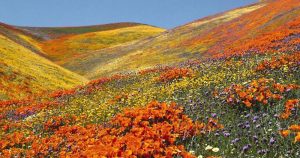
 Kitulo National Park is perched high in the southern highlands of Tanzania, it is a hidden gem that captivates nature lovers, botanists, and adventure seekers alike. Locally referred to as Bustani ya Mungu—meaning “The Garden of God”—this park is a true botanical wonder. Unlike any other park in Africa, Kitulo was the first national park established primarily for the protection of its unique flora. Covering an expansive area of 413 square kilometers, the park sits at an altitude of about 2,600 meters above sea level, straddling the Mbeya and Njombe regions.
Kitulo National Park is globally recognized for its astonishing floral display, which turns the montane grasslands into a vibrant sea of color during the rainy season. With over 350 species of vascular plants, including 45 types of terrestrial orchids, it offers an unparalleled experience for plant enthusiasts. Rare and endemic flowers flourish here, making it a paradise for botanists and photographers. Beyond flowers, the park hosts rare animals, spectacular waterfalls, and scenic hiking trails that reveal breathtaking views of the Kipengere Range and surrounding valleys.
What makes Kitulo truly unique is its exclusivity and tranquility. Unlike crowded safari destinations, this high-altitude sanctuary offers solitude, fresh mountain air, and natural beauty untouched by mass tourism. It’s a destination for travelers who crave something different—a mix of wildflower meadows, birdwatching, hiking, and cultural experiences, all in one pristine environment.
Kitulo’s fame comes from its spectacular flowers. Known as the “Serengeti of Flowers,” the park explodes into bloom between December and April, when orchids, lilies, aloes, proteas, geraniums, and giant lobelias blanket the rolling grasslands. These flowers are not just beautiful—they are ecologically important, with many species found only in this region. Botanists and researchers travel from across the globe to study these unique plants. During peak season, the colors stretch as far as the eye can see, creating one of the most picturesque landscapes in Africa.
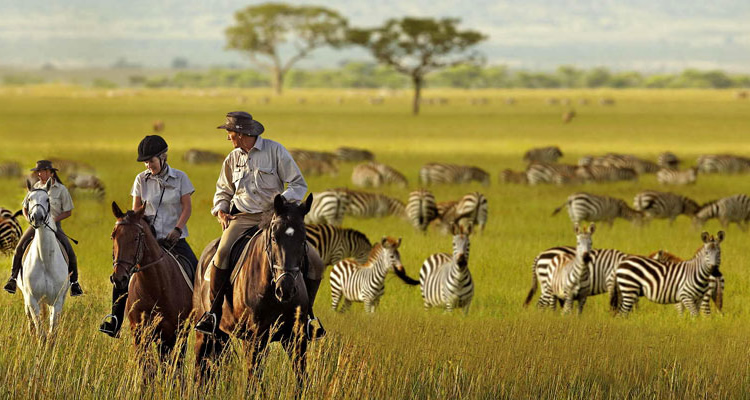
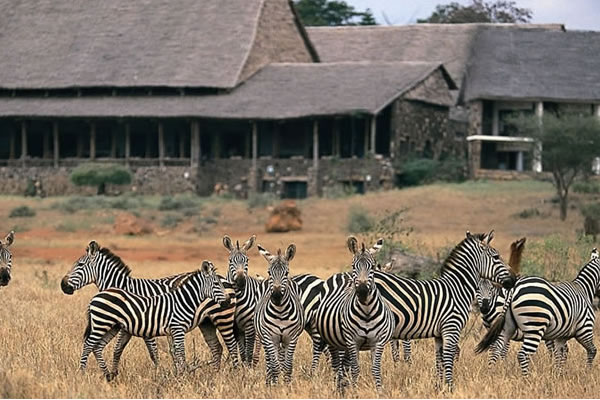
Though Kitulo is not a traditional wildlife park, it hosts mountain reedbuck, eland, and zebras grazing in the open grasslands. In the surrounding forests, rare and endangered species like the Kipunji monkey, Abbott’s duiker, and Rungwe dwarf galago thrive. Reptiles, amphibians, and unique insects also call this region home. Birdwatchers are in for a treat, as Kitulo is a haven for rare highland birds such as the blue swallow, Denham’s bustard, mountain marsh widow, and Njombe cisticola.
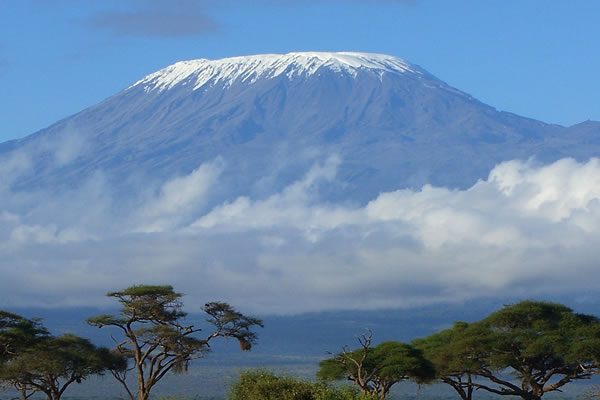
Kitulo National Park is perfect for trekking enthusiasts. Trails wind through wildflower meadows, forests, and hills, offering panoramic views of the Kipengere and Poroto mountains. Popular routes lead to dramatic features such as the Nhumbe Waterfalls, a 100-meter cascade hidden deep in the valley. For the adventurous, multi-day hikes connect Kitulo to neighboring attractions like the Livingstone Mountains and Lake Nyasa.
Visitors can also explore nearby highland villages, interact with local communities, and enjoy the rich cultural heritage of the Mbeya and Njombe regions. The combination of floral beauty and cultural immersion makes Kitulo an exceptional off-the-beaten-path destination.
Kitulo National Park Tanzania is more than a destination—it’s an experience of serenity, beauty, and biodiversity. Whether you are a botanist, photographer, birder, or simply a nature lover, this “Garden of God” offers a unique perspective on African wilderness. Unlike traditional safari parks, Kitulo celebrates the small wonders—flowers, birds, waterfalls, and mountain vistas—that make Tanzania a treasure beyond big game safaris.
So, if you are looking for a destination that combines adventure, science, and tranquility, pack your boots and camera and head to Kitulo National Park. You’ll leave with memories of an African paradise unlike any other.
Bring warm clothing: The altitude means temperatures can drop at night.
Carry snacks and water: Facilities are limited within the park.
Hire a guide: They enhance your experience and ensure safety during hikes.
Travel in a 4×4 vehicle: Roads can be challenging, especially during rains.
Pack rain gear: If visiting during the blooming season, expect showers.
The prime season is December to April, when the flowers are in full bloom. This period coincides with the rainy season, so expect lush greenery and stunning floral carpets. If you prefer hiking with clear skies and cooler weather, September to November is ideal, though flowers are less abundant. Avoid June to August as heavy fog and frost limit visibility.
Kitulo is accessible by road from Mbeya town, about 100 km away. The most thrilling route is via the “Hamsini na Saba” road, a series of 57 sharp hairpin bends climbing from the Chimala escarpment to the Matamba plateau. A 4×4 vehicle is essential, especially during the rainy season. Alternatively, you can fly into Mbeya Airport (Songwe) and then drive to the park.
Botanical Tours: Explore the park’s wildflowers with expert guides who explain their ecological significance.
Birdwatching: Spot rare highland species early in the morning.
Waterfall Hikes: Trek to Nhumbe Waterfalls and enjoy a refreshing natural setting.
Photography: Capture endless flower fields and sweeping highland landscapes.
Camping & Picnicking: Enjoy the serenity of nature at designated spots.