Mikumi National Park Tanzania is located in southeastern Tanzania, it is a captivating wildlife sanctuary. More so it offers a rich safari experience just a few hours from Dar es Salaam. Established in 1964, it spans over 3,230 square kilometers and forms part of the vast Selous ecosystem. And one of the largest and most important conservation areas in Africa.
To begin with, Mikumi is often described as a hidden gem among Tanzania’s national parks. While it is not as globally famous as the Serengeti or Ngorongoro, it delivers an equally thrilling and intimate encounter with Africa’s iconic wildlife. Because of its open savannahs, spectacular mountain backdrops, and thriving animal populations. Mikumi has steadily grown into a favorite destination for short safaris and weekend getaways.
Moreover, its strategic location along the highway connecting Dar es Salaam to Iringa makes it incredibly accessible by both road and air. As a result, it serves as a perfect starting point for travelers heading deeper into Tanzania’s southern circuit.
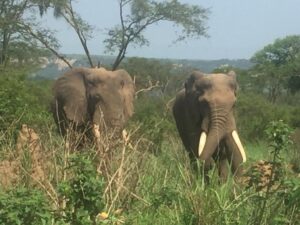
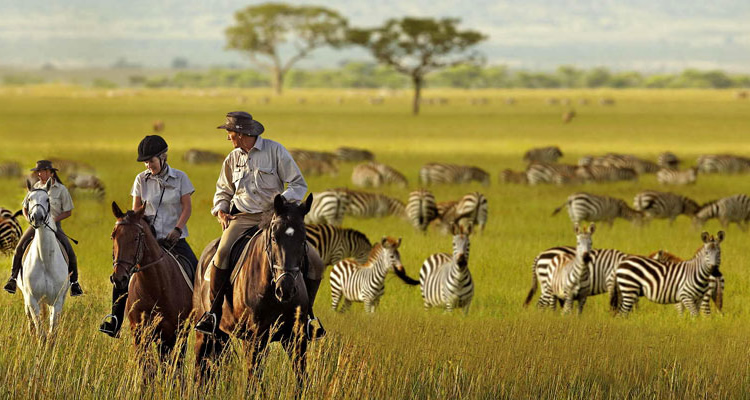
Unlike larger parks where travel distances are long and sightings may take hours. Mikumi National Park Tanzania allows visitors to witness abundant wildlife . This is within a relatively compact area. In fact, the Mkata Floodplain—often compared to a miniature Serengeti—offers some of the most concentrated game-viewing in the country. From herds of elephants and towers of giraffes to prides of lions and elusive wild dogs, the park teems with life in every corner.
In addition, Mikumi offers incredible opportunities for birdwatching, nature photography, cultural encounters, and conservation-based tourism. Its diverse landscapes—from baobab-studded hills to acacia woodlands. And wetland swamps—create a dynamic ecosystem that supports over 400 species of birds and a wide array of mammals and reptiles.
To begin with, Mikumi National Park Tanzania is often compared to the famous Serengeti due to its open grasslands and abundant wildlife. However, what truly makes it stand out is its proximity to urban centers and its rich biodiversity packed into a manageable area. In just two or three days, visitors can enjoy a fulfilling safari without venturing too far into the wilderness.
Additionally, the park forms part of the larger Selous ecosystem, linking it to the Nyerere National Park and making it an essential wildlife corridor. This connection means that Mikumi not only hosts resident species but also welcomes migratory animals throughout the year.
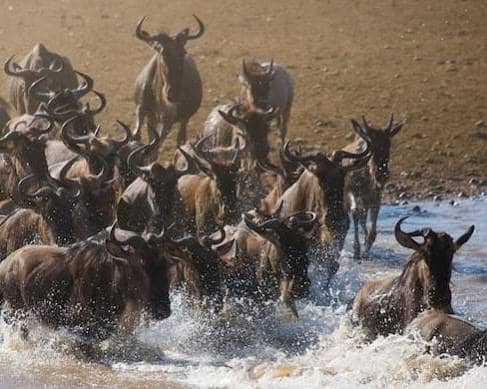
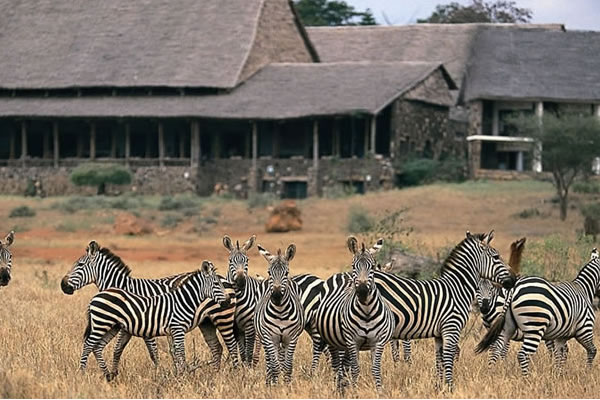
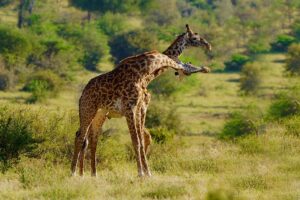 Mikumi is home to a wide range of iconic African wildlife. Elephants, zebras, buffaloes, giraffes, wildebeests, and impalas are commonly seen during game drives. Notably, the park is known for its lion population, which often exhibits a unique tree-climbing behavior similar to those found in Lake Manyara.
Moreover, Mikumi has earned a reputation for offering excellent sightings of African wild dogs—an elusive predator rarely seen in other parks. Hippos are easily spotted in the park’s numerous water pools, especially during the dry season when water becomes a magnet for thirsty animals.
Bird enthusiasts will also find Mikumi to be a paradise, as it hosts over 400 bird species. Some of the highlights include bateleur eagles, lilac-breasted rollers, malachite kingfishers, and the colorful yellow-throated longclaws. Whether you’re a seasoned birder or a casual observer, the variety is impressive year-round.
Though the park is open throughout the year, the best time to visit Mikumi is during the dry season, which runs from June to October. During this period, wildlife gathers around waterholes, making sightings more predictable and rewarding. On the other hand, the wet season (November to May) brings lush greenery and is ideal for birdwatching, although some roads are sometimes difficult to navigate.
Game drives are the most popular activity in Mikumi. Visitors can embark on morning, afternoon, or full-day drives across the park’s diverse landscapes. The Mkata floodplain, in particular, is a hotspot for animal sightings, often referred to as the “mini-Serengeti” because of its expansive views and abundant wildlife.
Besides game drives, walking safaris and cultural tours to nearby communities is also arranged. These experiences allow travelers to appreciate not only the park’s natural beauty but also the traditions and lifestyles of the local people.
One of the major advantages of Mikumi National Park Tanzania is its accessibility. It is reached by road from Dar es Salaam in about four to five hours, making it perfect for weekend safaris. Alternatively, travelers can take chartered flights from Dar es Salaam or other airstrips across the country.