
Meru National Park
Meru National Park is one of Kenya’s most captivating yet often overlooked safari destinations. Located in the eastern region of the country, this vast and wild sanctuary covers approximately 870 square kilometers. It offers a rare blend of diverse landscapes, incredible wildlife, and cultural heritage that truly sets it apart from the more frequented parks.
Unlike the busier Masai Mara or Amboseli, Meru National Park delivers a raw, unfiltered safari experience. Towering doum palms line the banks of thirteen meandering rivers that cut across the park, nourishing its wetlands, open grasslands, acacia woodlands, and dense forests. This stunning variety of habitats supports an exceptional array of wildlife, making the park ideal for anyone seeking a deeper, more tranquil connection with nature.
What makes Meru especially remarkable is its story. It is here that the world-famous conservation tale of Elsa the lioness was born. The legacy of that human-animal bond still echoes across the park’s peaceful plains, reminding visitors of the delicate balance between wildlife and conservation.
Wildlife in Meru National Park
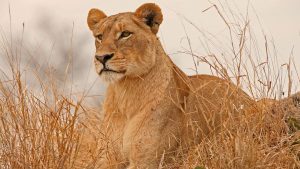
Meru National Park is a wildlife lover’s dream. The park is home to the “Big Five” – lion, elephant, buffalo, leopard, and both black and white rhinoceroses. Thanks to dedicated conservation efforts, rhino sightings have become more frequent, particularly within the secure rhino sanctuary inside the park.
In addition to these iconic animals, visitors will spot cheetahs, hyenas, hippos, crocodiles, and several antelope species including elands, hartebeests, and lesser kudus. Unique northern Kenya species such as the reticulated giraffe, Grevy’s zebra, and Beisa oryx also roam freely within the park.
For bird enthusiasts, Meru offers a spectacular birding experience. Over 400 bird species have been recorded here, including kingfishers, bee-eaters, hornbills, and raptors like the martial eagle and bateleur. Whether you’re on a game drive or enjoying a quiet moment by the river, the calls and colors of Meru’s birdlife will always leave a lasting impression.
Landscapes and Natural Beauty
What truly elevates Meru National Park is its breathtaking scenery. From vast open plains to lush riverine forests, the park offers landscapes that change dramatically as you explore. The thirteen rivers flowing through Meru ensure an abundance of greenery, even during dry seasons.
In the southern part of the park, you’ll find swampy areas and thick forests that feel like a completely different world. To the north, the terrain becomes more rugged, offering elevated views and wide horizons perfect for photography and scenic drives.
These diverse ecosystems not only make Meru visually stunning but also provide crucial habitats for the park’s vast array of species. Every turn in the road reveals something new, making each safari drive in Meru a thrilling adventure.
Key Activities in Meru National Park
1. Game Drives
The park offers excellent game viewing opportunities with fewer crowds, allowing for longer, uninterrupted sightings. Morning and evening game drives are especially rewarding.
2. Bird Watching
Meru is a haven for birders. Whether you’re a beginner or an avid ornithologist, you’ll enjoy spotting rare and colorful species across various habitats.
3. Nature Walks
For a more intimate experience, guided nature walks let you explore on foot and learn about the flora, insects, and tracks that often go unnoticed from a vehicle.
4. Rhino Sanctuary Visits
Within Meru is a 48-square-kilometer rhino sanctuary. Here, visitors can observe both black and white rhinos in a protected yet natural environment.
5. Cultural Encounters
Visitors can also engage with nearby communities including the Meru, Borana, and Tharaka people. These cultural visits offer insight into local traditions and lifestyles, enriching the overall safari experience.
6. Fishing
With many rivers running through the park, fishing (especially for catfish and tilapia) adds a unique twist to your safari. It’s a relaxing way to enjoy Meru’s peaceful surroundings.
Conservation Legacy
Meru National Park holds a special place in conservation history. It is the home of Elsa the lioness, made famous by George and Joy Adamson’s groundbreaking work in wildlife rehabilitation and the global bestseller Born Free. Elsa’s grave lies within the park, and visiting this site offers a moment of reflection on how one lioness helped change global attitudes toward wildlife conservation.
Today, Kenya Wildlife Service and various partners continue to protect this vital ecosystem. Anti-poaching efforts, habitat restoration, and community engagement projects have made Meru a model for sustainable wildlife management.
Best Time to Visit Meru National Park
The best time to visit Meru National Park is during the dry seasons—between June and September, and from January to March. During these months, animals congregate around water sources, making them easier to spot.
However, bird watchers may prefer the wetter months (April to May and October to November), when migratory birds arrive, and the park bursts into lush green color.
Since Meru is less affected by overcrowding, it remains a rewarding destination year-round for those who prefer solitude and quiet over crowds.
Getting to Meru National Park
Meru National Park lies approximately 350 kilometers northeast of Nairobi. Visitors can access the park via road through the Embu-Meru route, which offers scenic views along the way. A four-wheel drive vehicle is recommended, especially during rainy seasons.
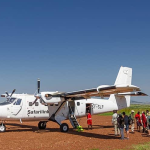
Alternatively, the park has two airstrips—Kinna and Mulika—which make air travel a convenient option for those with limited time or coming from other safari destinations in Kenya.
Where to Stay
Accommodation in Meru ranges from luxury lodges to budget-friendly campsites. Some of the most recommended options include:
-
Elsa’s Kopje Lodge – A luxurious eco-lodge built into a rocky kopje with sweeping views of the park.
-
Rhino River Camp – Nestled in the forest along a riverbank, offering serenity and charm.
-
Public Campsites – Managed by Kenya Wildlife Service, these are ideal for adventurous travelers looking for a close-to-nature experience.
Conclusively
Meru National Park is a true jewel in Kenya’s safari crown. It offers unmatched tranquility, rich biodiversity, and a deep connection to Kenya’s conservation heritage. For those seeking something beyond the well-trodden paths, Meru provides a wild, beautiful, and unforgettable safari adventure.
Whether you’re a first-time visitor or a seasoned wildlife researcher, Meru National Park promises not only to meet your expectations—but to exceed them.