Ruhija Bwindi Sector
Ruhija Bwindi Sector is one of the most rewarding gorilla trekking destinations in Uganda. Found on the eastern side of Bwindi Impenetrable National Park, Ruhija is famous for its high ridges, mist-covered valleys, and serene trekking atmosphere. Unlike the busier sectors of Bwindi, Ruhija remains quiet and less crowded, making it an excellent choice for travelers who desire a more personal connection with the forest and its wildlife.
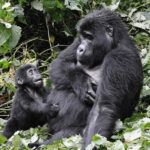
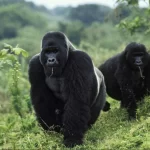
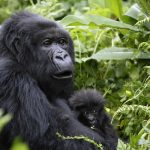
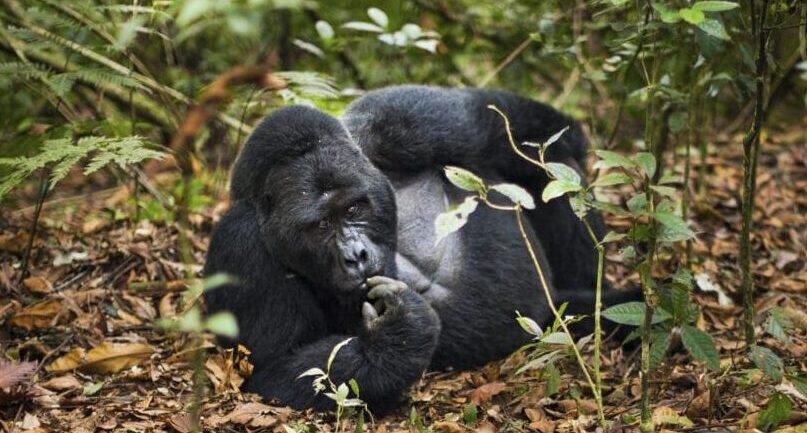
Beyond the mountain gorillas, Ruhija delights bird lovers with species found nowhere else, while nature enthusiasts marvel at its bamboo forests and swamp ecosystems. Yet, the real highlight of Ruhija is its four habituated gorilla families—Bitukura, Oruzogo, Kyaguriro, and Mukiza. Each family has its own history, leadership, and character, offering visitors a wide variety of gorilla trekking experiences.
Why Visit Ruhija Bwindi Sector
Ruhija is often described as the most scenic of Bwindi’s four trekking regions. Its altitude ranges between 2,300 and 2,600 meters, allowing for cooler weather and expansive views across rolling hills. From some viewpoints, trekkers can see the distant Virunga Volcanoes.
Because the sector receives fewer tourists than Buhoma or Rushaga, Ruhija offers a calm trekking environment. This is particularly appealing for those who want to spend time in nature without the distraction of large crowds. Furthermore, the trekking trails here wind through diverse terrain: bamboo stands, montane forest, and the famous Mubwindi Swamp, a hotspot for rare birds.
By choosing Ruhija, visitors not only experience gorilla trekking but also gain access to a rich mix of wildlife, scenery, and tranquility that is hard to match elsewhere.
Gorilla Families in Ruhija
Bitukura Gorilla Family
The Bitukura family was habituated in 2008 and has since become one of the most well-known groups in Ruhija. Initially, the family had 24 members, but today it is composed of about 14 individuals. The group is unusual because it has multiple silverbacks who live peacefully together, a rare trait among gorillas. The dominant silverback Ndahura leads the group after the retirement of the elder Karamuzi.
Visitors often describe Bitukura treks as calm and heartwarming. The younger gorillas are playful and often put on entertaining displays, while the adults show close family bonds. Because the group accepted human presence quickly during habituation, encounters feel relaxed and less tense, giving trekkers excellent opportunities for observation and photography.
Oruzogo Gorilla Family
The Oruzogo family opened for tourism in 2011. At its peak, it had 19 individuals, but today the group counts about 10 members. This family is led by the dominant silverback Tibirikwata, who maintains order among a lively mix of juveniles and infants.
Treks with Oruzogo are known for their high energy. The younger gorillas are famously playful, swinging from branches, tumbling in the grass, and interacting curiously with one another. For travelers who want to see gorillas at their most active, Oruzogo provides an unforgettable experience.
Kyaguriro Gorilla Family
The Kyaguriro family has a special place in Bwindi’s history. Habituated in the mid-1990s, it was initially set aside for research rather than tourism. Over the years, researchers studied its behavior, genetics, and social changes, which contributed valuable information to global gorilla conservation.
The family later split into two: Kyaguriro A and Kyaguriro B. Kyaguriro A, led by silverback Rukara, is occasionally open to trekking, while Kyaguriro B (also called Mukiza) eventually became its own independent family. Kyaguriro’s numbers fluctuate between 7 and 15 individuals depending on natural births and group movements.
For trekkers, Kyaguriro offers a more intimate and less predictable experience. Its scientific background adds depth, allowing visitors to feel part of an important conservation story.
Mukiza Gorilla Family
The Mukiza family is one of the newer trekking groups in Ruhija. It formed in 2016 when silverback Mukiza broke away from Kyaguriro to establish his own family. Today, the group has around 15 individuals and continues to grow under his leadership.
Mukiza often ranges deeper into the forest, so treks can be more challenging. However, this also means that encounters feel raw and adventurous, giving visitors the thrill of venturing far into the wilderness. Observing the resilience and leadership of Mukiza provides insight into how gorilla families form, grow, and adapt.
Gorilla Trekking in Ruhija
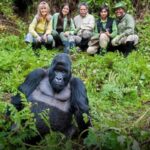
Each of the four families allows a maximum of eight trekkers per day, ensuring that gorilla visits remain sustainable. Treks usually begin early in the morning with a briefing at Ruhija headquarters. Depending on where the gorillas are located, hikes can last between two and six hours.
Once the gorillas are found, trekkers are allowed to spend one unforgettable hour with them. This time allows for quiet observation, photography, and an emotional connection with these endangered primates. Strict rules, such as keeping a seven-meter distance and avoiding close contact, ensure both gorilla safety and visitor well-being.
Best Time to Visit Ruhija
Ruhija can be visited year-round, but the dry seasons—from June to September and December to February—offer the most favorable trekking conditions. Trails are less muddy, and visibility is clearer. The wet seasons bring heavier rains, but they also create lush, vibrant scenery and fewer visitors, which some travelers prefer.
Accommodation in Ruhija
Ruhija provides a range of lodges and camps to suit different budgets. Bakiga Lodge is a popular community-run lodge with excellent views, while Gorilla Mist Camp offers comfortable cottages close to the trekking starting point. Broadbill Forest Camp is well suited for birdwatchers, and Ruhija Gorilla Friends Resort provides affordable rooms run by a local community initiative. Staying in Ruhija ensures that trekkers begin their journeys on time without long drives from other sectors.
Why Choose Ruhija Bwindi Sector
Travelers choose Ruhija for its tranquility, its diverse trekking experiences, and its unmatched scenery. Each gorilla family provides a different type of adventure: the harmony of Bitukura, the playful energy of Oruzogo, the conservation history of Kyaguriro, and the adventurous wilderness feel of Mukiza.
Additionally, the sector’s birdlife, landscapes, and cultural interactions with nearby communities add layers of richness to every safari. Ruhija is not only about gorillas—it is about experiencing Uganda’s natural beauty at its most authentic.
Conclusion
The Ruhija Bwindi Sector stands out as one of Uganda’s most captivating gorilla trekking destinations. With four unique gorilla families, dramatic landscapes, and a calm atmosphere, it offers something for every traveler. Choosing Ruhija means stepping into the heart of Bwindi, where nature, wildlife, and conservation combine to create an unforgettable safari adventure.